Kenya Road Safety Statistics 2026 | TSDN
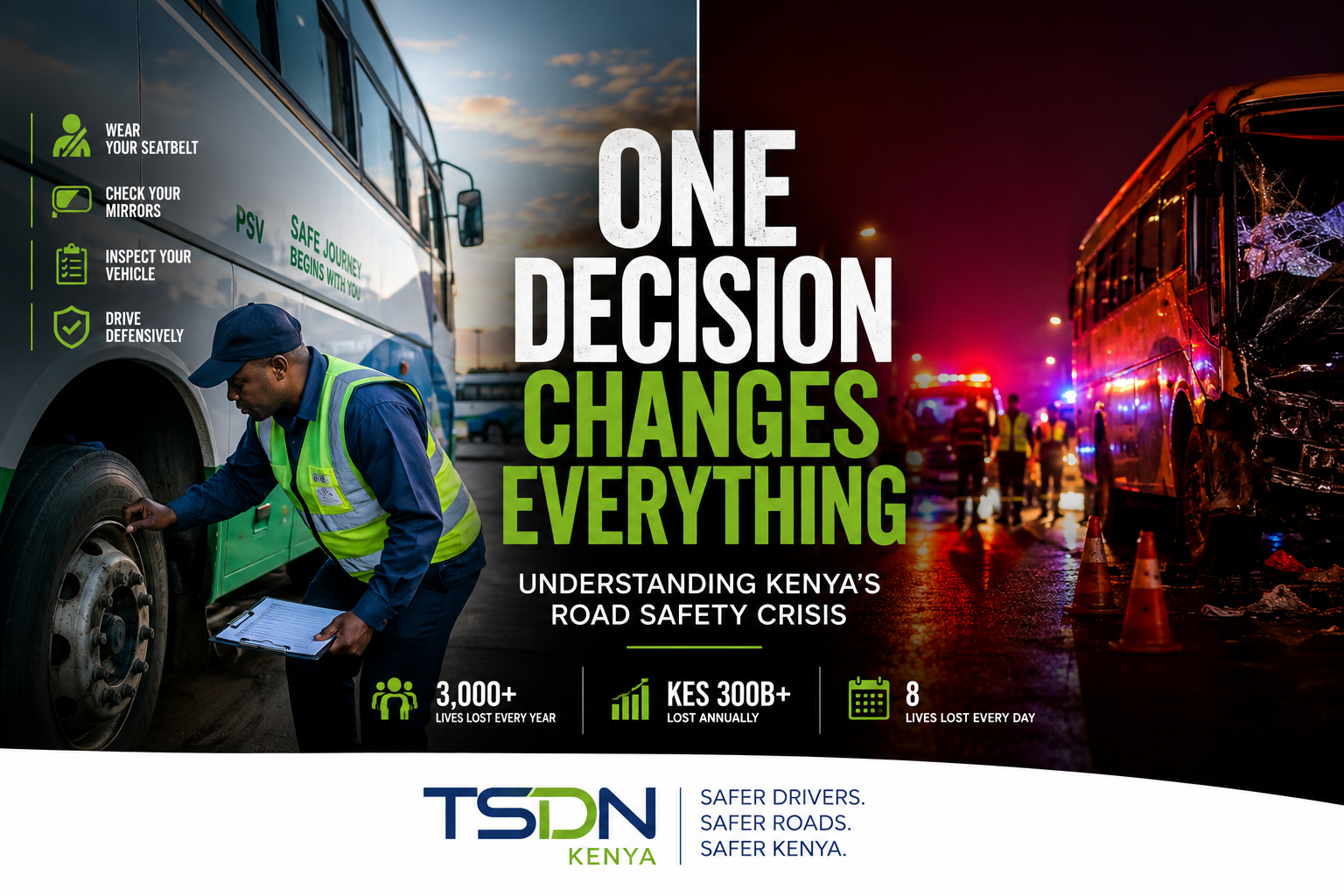
Kenya loses over 3,000 people to road crashes every year. Here are the statistics every professional driver, fleet manager, and transport operator needs to understand.
Read ArticleInsights, stories, and research on transport safety, sustainable mobility, and development across Kenya and East Africa.
A complete guide to the NTSA regulations every professional and PSV driver in Kenya must know — speed limits, licensing, fatigue rules, alcohol limits, and more.
12 published articles

Kenya loses over 3,000 people to road crashes every year. Here are the statistics every professional driver, fleet manager, and transport operator needs to understand.
Read Article
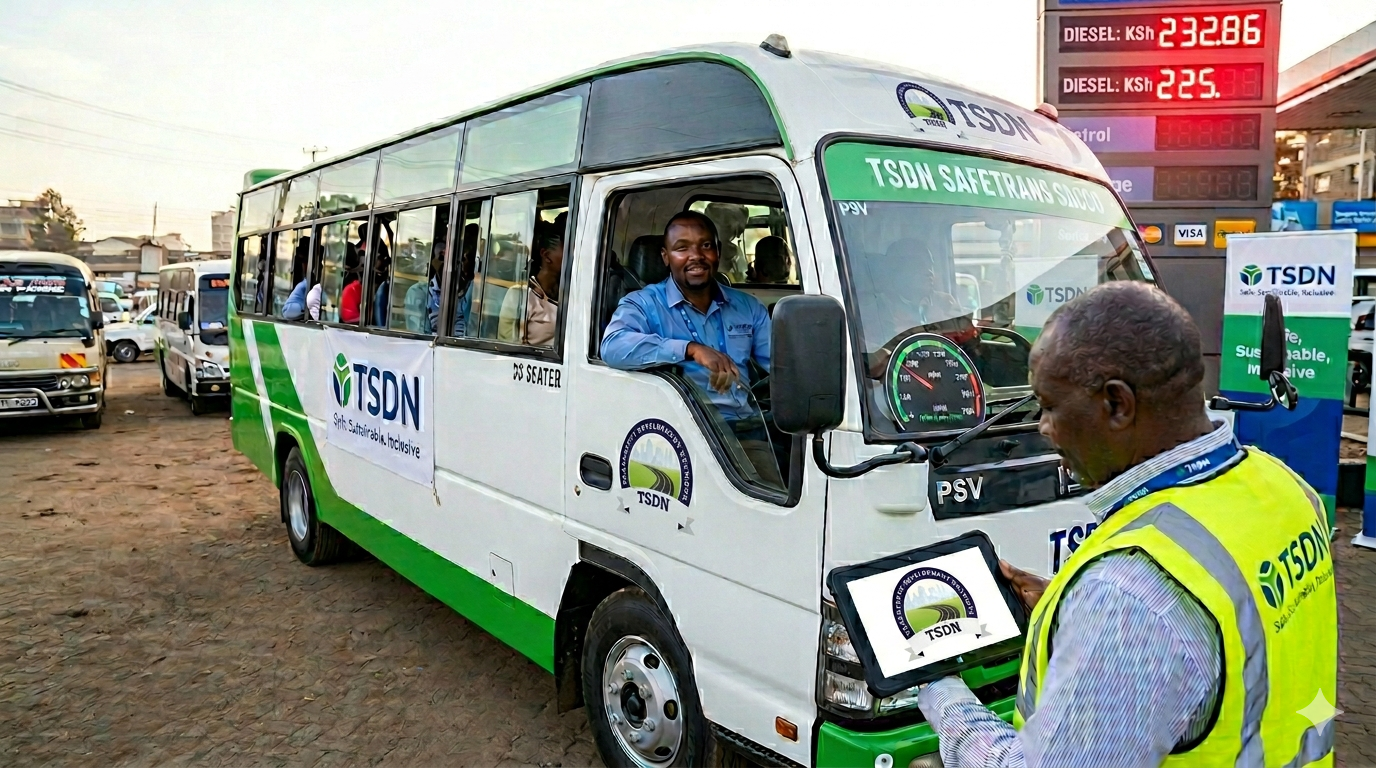
If you operate a Public Service Vehicle (PSV) in Kenya today, you don’t need an economist to tell you that the ground is shifting. When the Energy and Petroleum Regulatory Authority (EPRA) dropped that massive mid-month bomb—sending diesel prices surging by a historic margin—the entire transport sector felt the shockwave.
Read Article
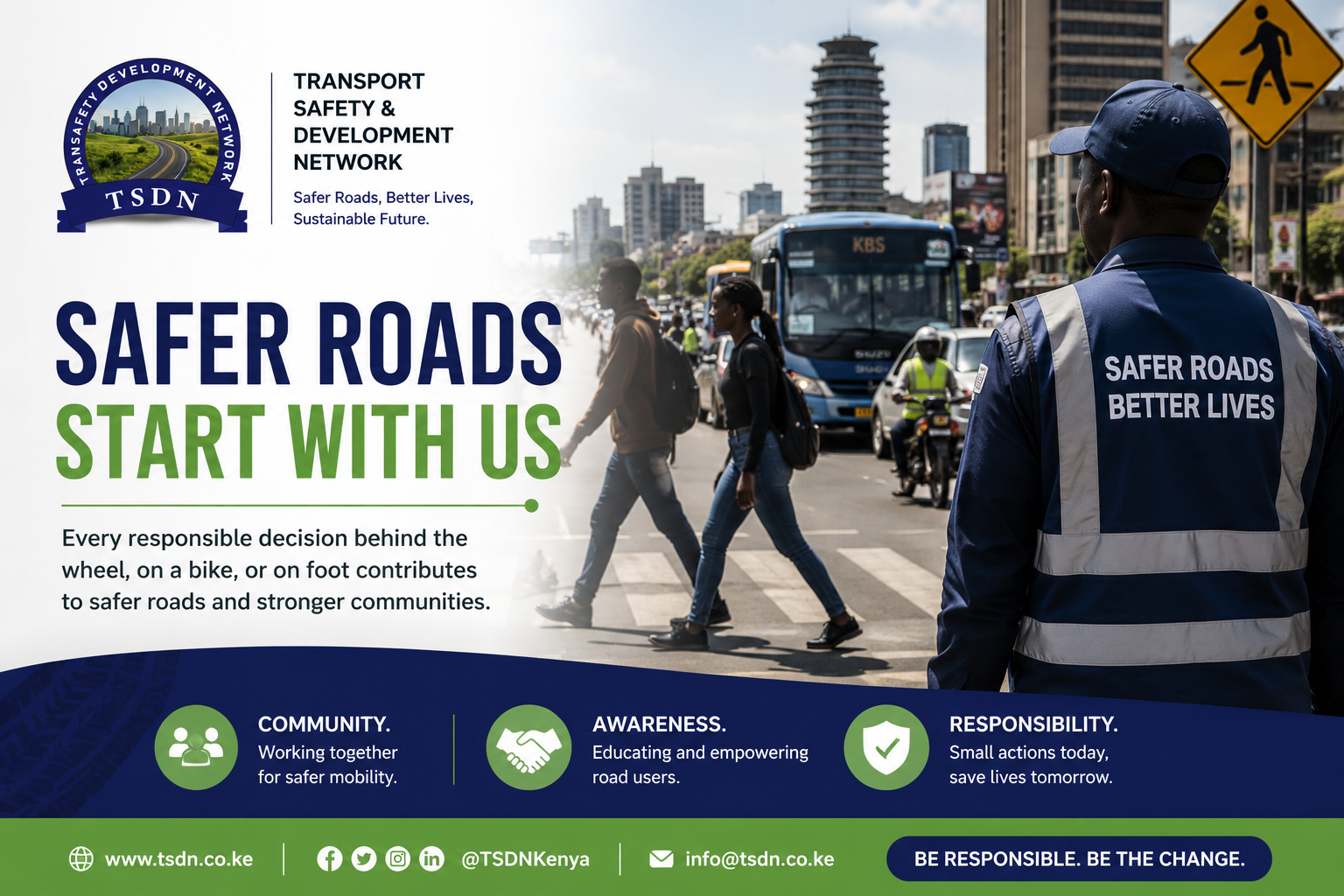
At **TranSafety Development Network (TSDN)**, we believe road safety is not just about preventing crashes on Kenyan highways and streets — it is about protecting the very foundation of our families, economy, communities, and national development. Every life lost or altered on our roads sends ripples far beyond the accident scene.
Read Article
Road safety is often discussed after accidents happen, but the truth is that preventing accidents begins with everyday habits and responsible behavior from all road users. Across Kenya, thousands of people use the roads daily — drivers, pedestrians, cyclists, passengers, and bodaboda riders. While infrastructure and law enforcement play important roles, personal responsibility remains one of the biggest factors in reducing road accidents and saving lives.
Read Article

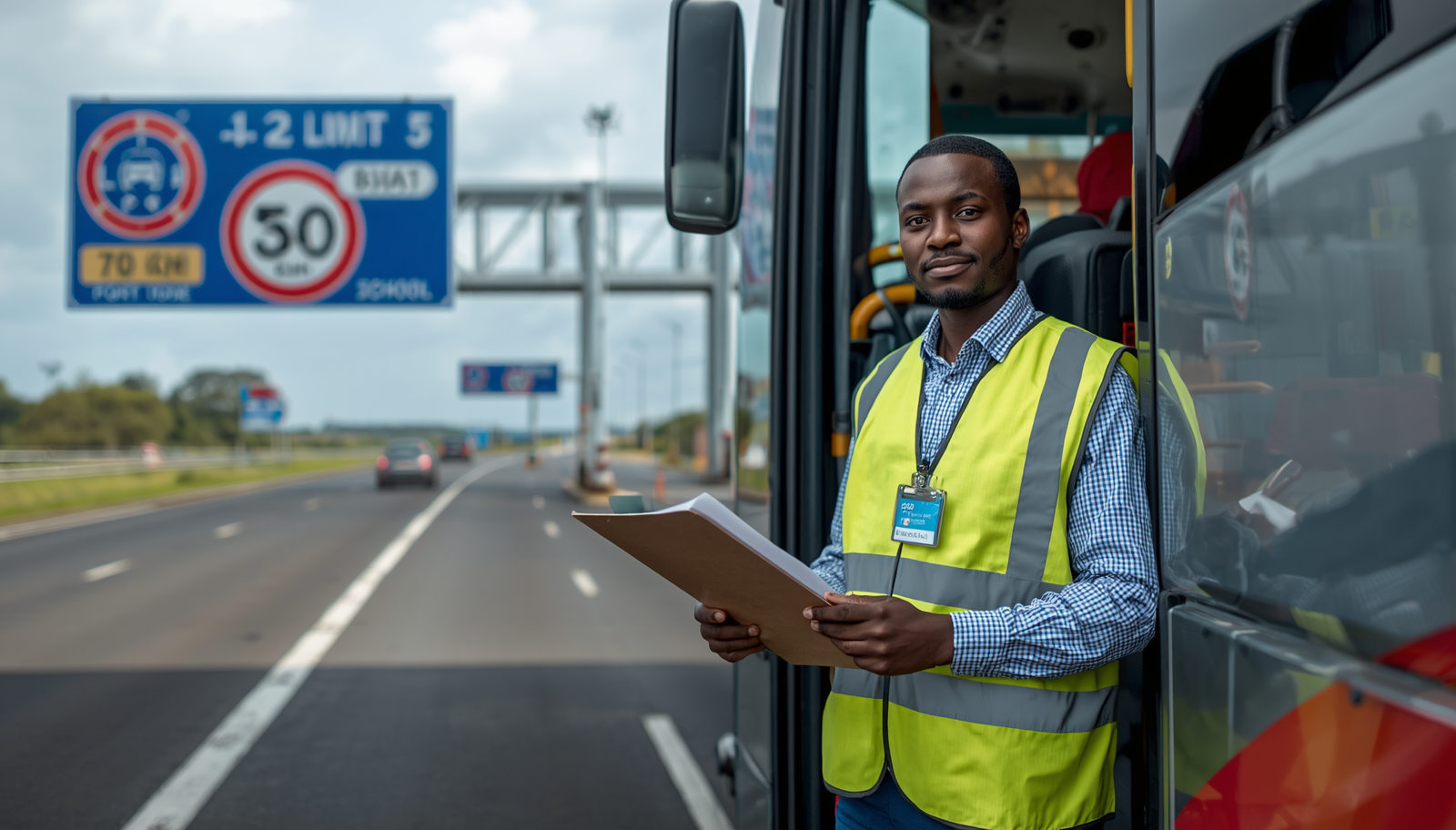
Every morning and afternoon, thousands of Kenyan children depend on school vans, buses, and private transporters. Their safety must never be compromised. Following the successful launch of TSDN’s School Transport Safety Campaign that reached over 500 schools, we continue to identify and close dangerous gaps.
Read Article
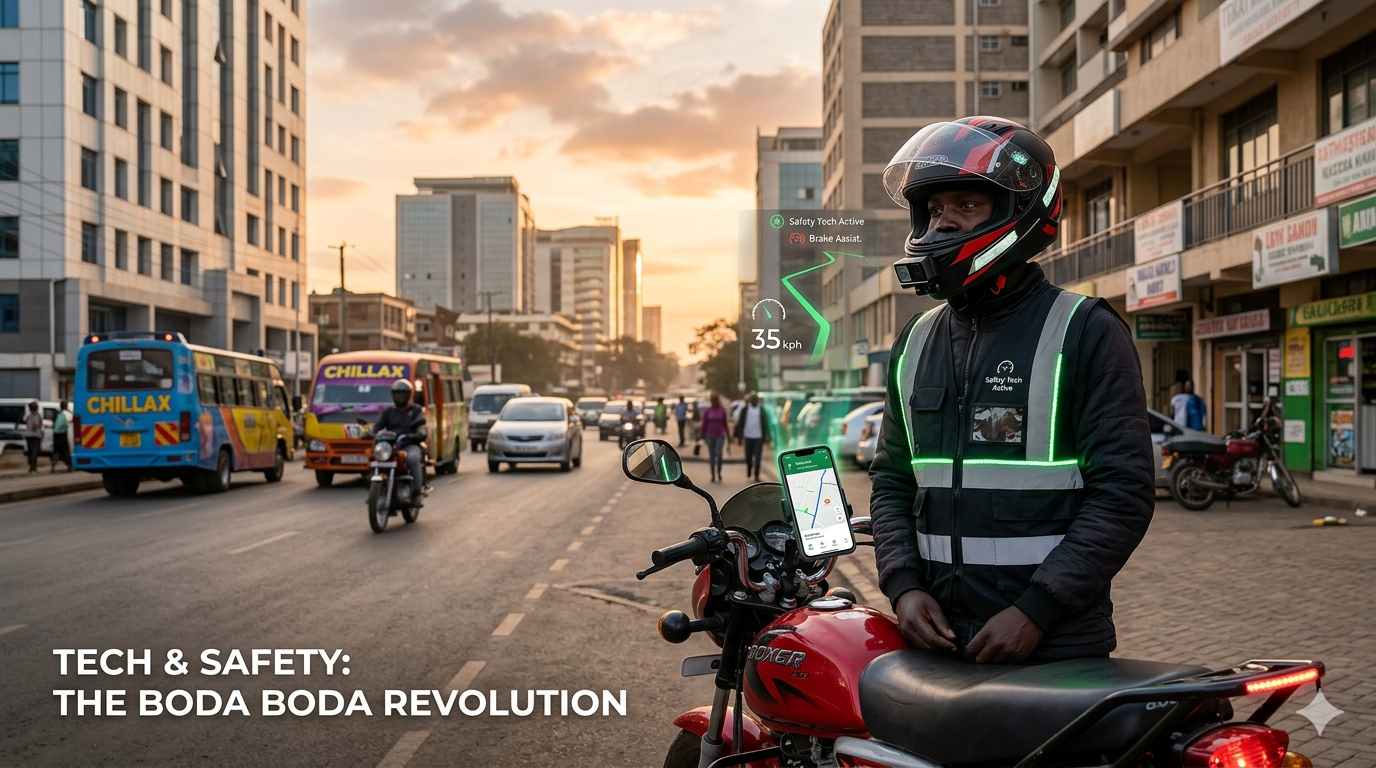
Boda boda remains Kenya’s most important last-mile transport solution. Yet it also contributes heavily to road injuries and fatalities. The good news? A growing number of riders and saccos are turning to technology and structured training for safer operations.
Read Article
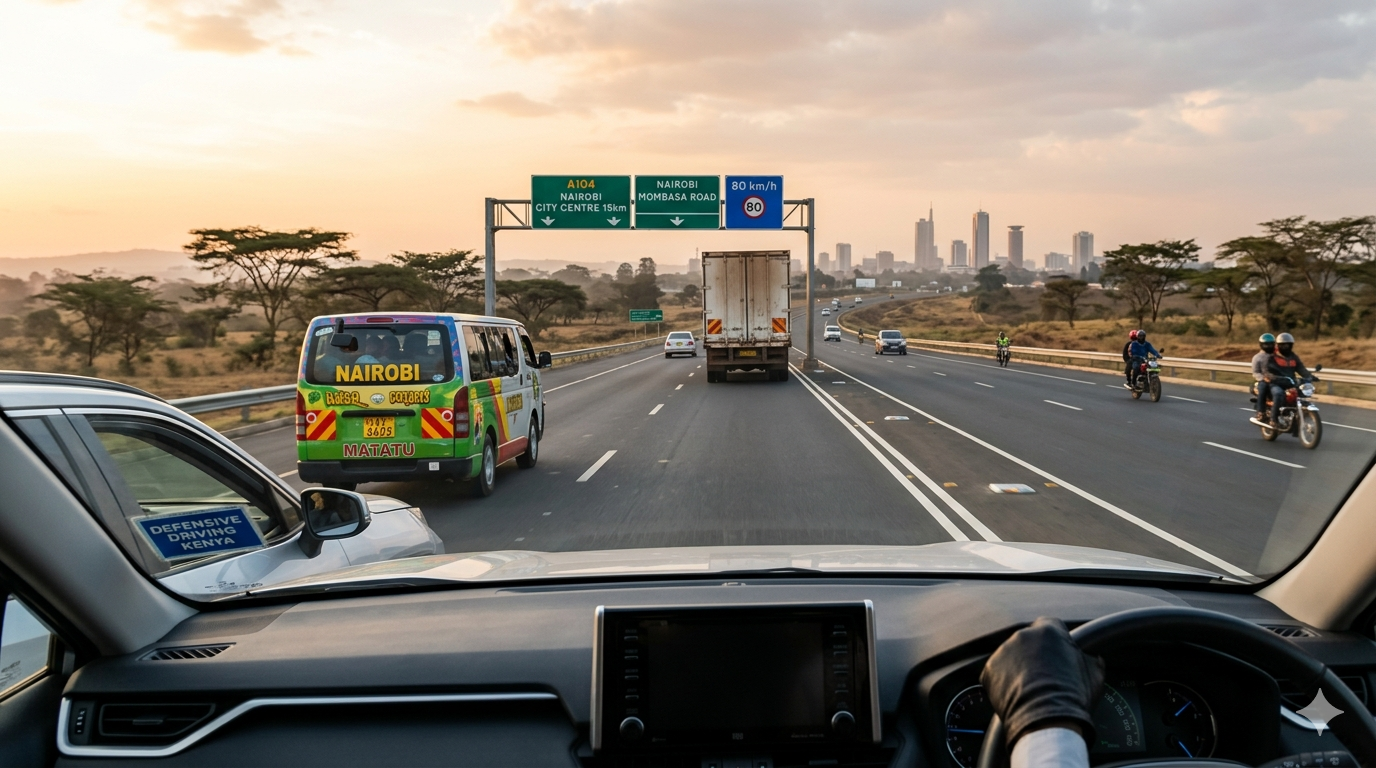
Kenya lost over 4,458 lives on our roads in 2025.** Many of these tragedies were preventable. For Public Service Vehicle (PSV) drivers — matatu and bus operators who move millions daily — defensive driving is no longer optional. It is survival. At TranSafety Development Network (TSDN), we have trained more than 5,000 drivers in partnership with NTSA. Trained drivers report up to 40% fewer incidents within the first six months.
Read Article
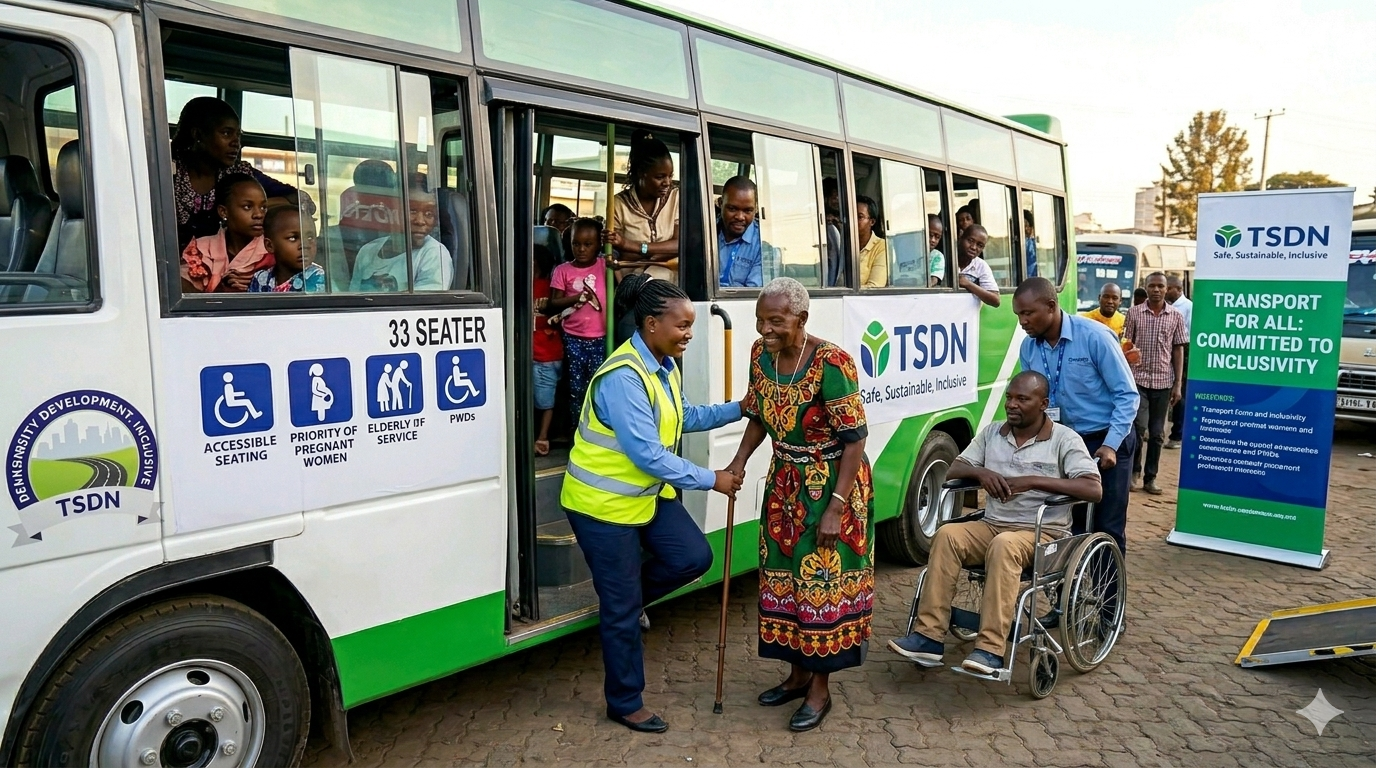
A truly developed transport system is measured by how safely and easily it serves its most vulnerable users. In Kenya, public transit—primarily driven by our vibrant matatu networks and digital-hailing platforms—forms the backbone of daily urban and rural mobility. Yet, for many women, children, the elderly, and People with Disabilities (PWDs), a standard commute can frequently be an inaccessible, stressful, or deeply unsafe experience.
Read Article
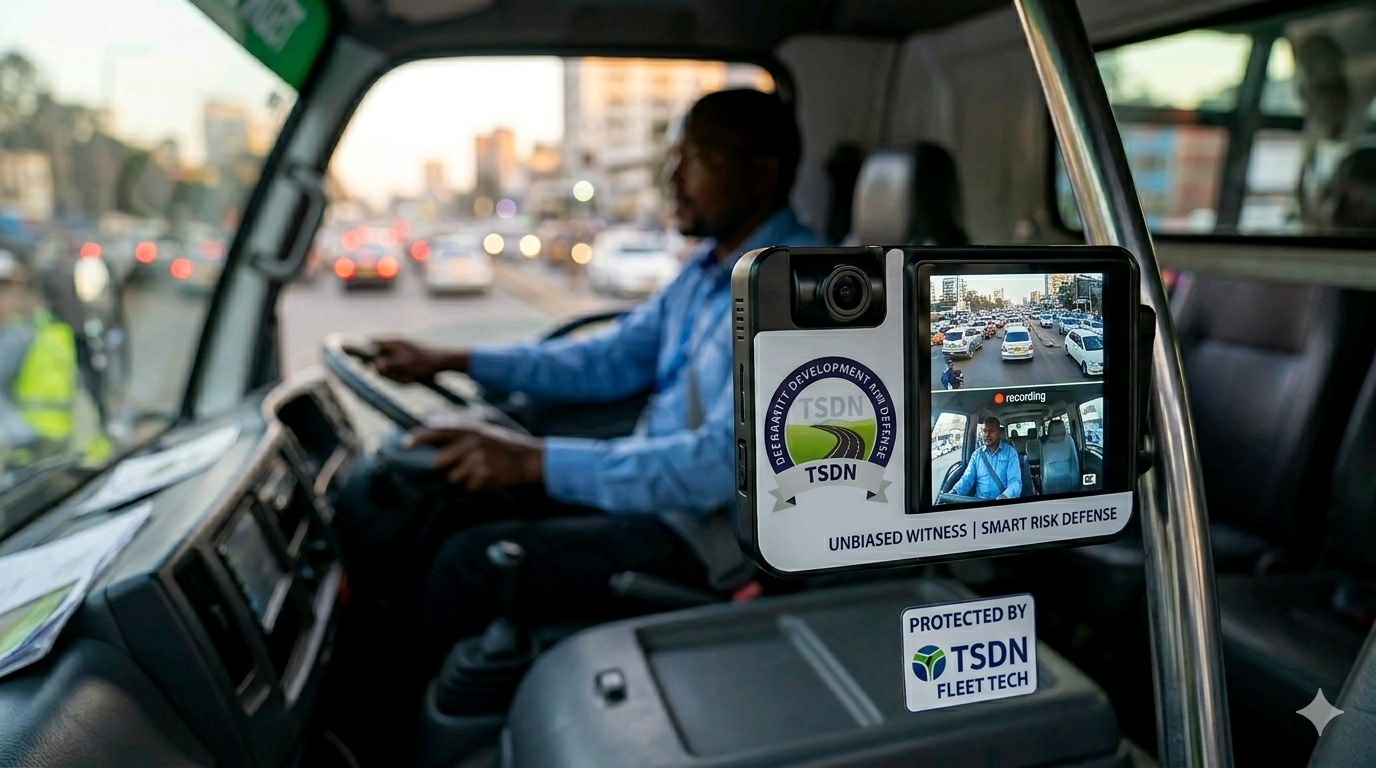
Running a Public Service Vehicle (PSV) Sacco in Kenya is a masterclass in risk management. Beyond navigating the daily hustle of traffic gridlocks, fluctuating fuel costs, and tight routes, fleet operators face a quieter, more expensive threat: the rising tide of insurance fraud and groundless liability.
Read Article
Kenyans on X Voice Deep Frustration as Transport Costs Bite Harder
Read ArticleGet the latest articles, research, and insights delivered to your inbox.